Nike Shoe Pallets: The Ultimate Beginner’s Guide to Buying, Selling & Profiting
In the world of wholesale liquidation and pallet reselling, Nike shoe pallets have become one of the most sought-after inventory sources for beginners and seasoned resellers alike. With Nike being one of the most recognizable and trusted athletic brands in the world, pallets full of shoes from Nike can deliver strong profit margins if sourced, inspected, and marketed correctly.
This guide breaks down everything you need to know about Nike shoe pallets what they are, where they come from, how to buy them, how to evaluate them, and how to resell them for maximum profits.
Table of Contents
What Are Nike Shoe Pallets?
Why Nike Shoe Pallets Are Popular for Resellers
Where Nike Shoe Pallets Come From
Types of Nike Shoe Pallets
How to Evaluate a Nike Shoe Pallet Before Buying
Where to Buy Nike Shoe Pallets
How to Price Nike Shoes for Resale
Best Platforms for Selling Nike Shoes
Tips for Maximizing Profits
Common Risks & How to Avoid Them
FAQs About Nike Shoe Pallets
1. What Are Nike Shoe Pallets?
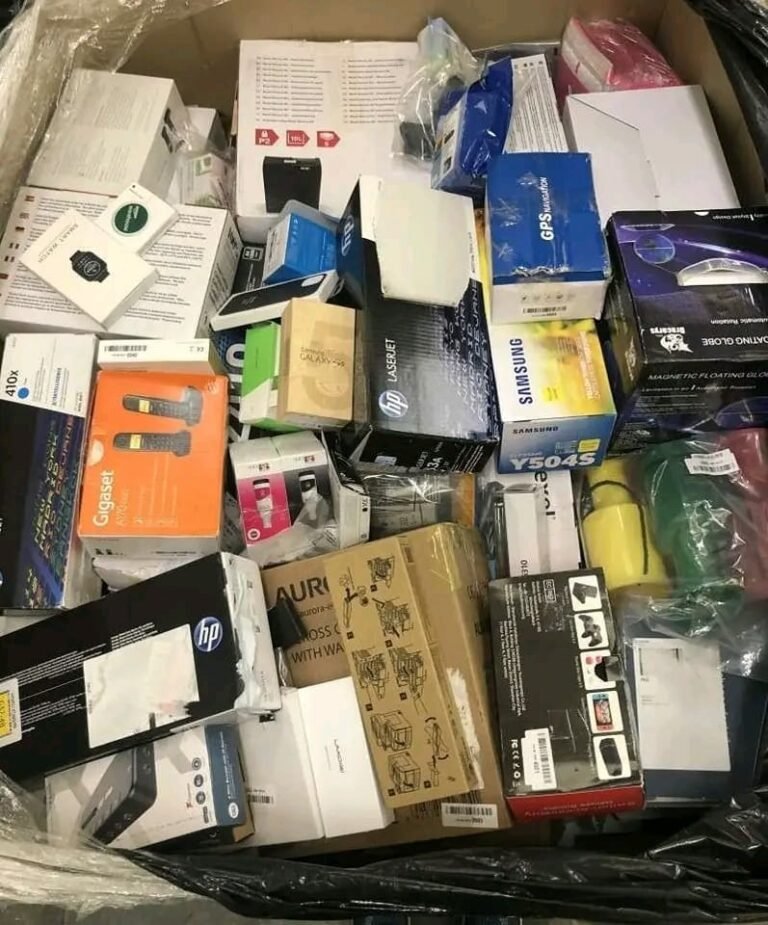
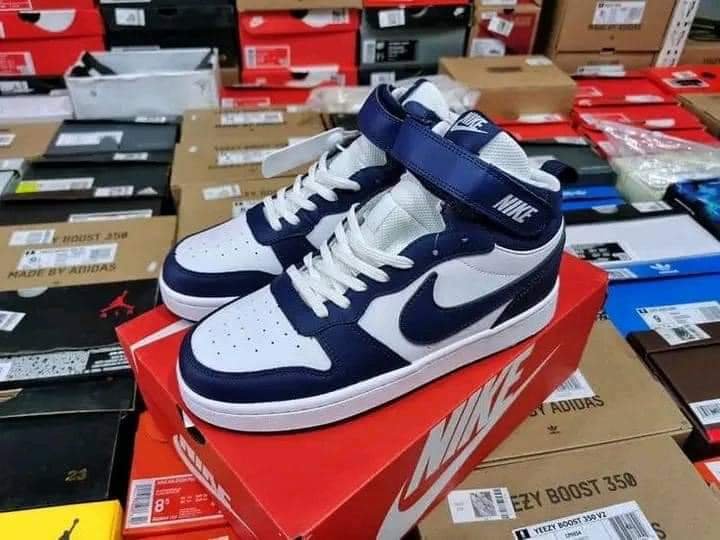
Nike shoe pallets are bulk pallets of Nike footwear sold in wholesale liquidation markets. These pallets can contain dozens or even hundreds of pairs of Nike shoes in mixed styles, sizes, and conditions. Sellers usually purchase them to resell the shoes individually or in smaller lots for profit.
A pallet is simply a large wooden platform that goods are stacked on for easy shipping and transport. In the liquidation world, this typically looks like:
Mixed brands and styles
Single brand pallets (like Nike only)
New with tags (NWT)
Customer returns or overstock
Nike shoe pallets offer a big opportunity because Nike is one of the most globally recognizable brands which often translates to faster sales and higher resale value.
2. Why Nike Shoe Pallets Are Popular for Resellers
There are several reasons resellers gravitate toward Nike shoe pallets:
Brand Recognition
Nike is one of the most recognizable brands in the world. Shoes with the signature swoosh often sell faster than unbranded or generic footwear.
Wide Market Demand
Nike shoes appeal to a broad demographic men, women, kids, athletes, casual wearers, sneakerheads meaning larger potential buyer pools.
Higher Resale Value
Certain Nike styles, like Air Max, Jordans, or limited releases, retain strong resale value even at the liquidation level.
Scalability
Buying pallets allows you to scale inventory quickly critical for making larger profits or running a full-time resale business.
Easy to Market
Because Nike is such a well-known brand, you don’t need as much marketing effort to attract buyers. Listing titles with “Nike” in them automatically get more attention.
3. Where Nike Shoe Pallets Come From
Nike shoe pallets come from several supply chain sources:
Overstock
Retailers often overorder seasonal inventory. Unsold stock is sold in bulk to liquidators.
Customer Returns
Shoes returned by customers for size, style, or preference reasons may be resold in pallets once they’re inspected.
Clearance or End-of-Season
Stores might not want older seasonal stock, so they liquidate pallets to clear space.
Manufacturer Excess
Nike itself occasionally liquidates overproduced items for efficiency and inventory control.
Each source has a different condition level, which affects how you price and sell the shoes.
4. Types of Nike Shoe Pallets
Not all Nike shoe pallets are the same. Here are common types you’ll encounter:
New With Tags (NWT)
Shoes are brand new and still have original tags. These often command the best resale value.
New Without Tags
Sometimes shoes are new but the tags were removed. Prices are slightly lower but still profitable.
Customer Returns
These can vary in condition. Some might be worn once or not at all; others might show light use.
Mixed Condition
Pallets may contain a blend of new, like-new, and lightly worn shoes.
SEASONAL / Style Specific
Pallets that contain only specific types (e.g., Nike running shoes, kids shoes, basketball shoes, Jordans, etc.).
Understanding the type is important because it influences your pricing strategy and expected profit margin.
5. How to Evaluate a Nike Shoe Pallet Before Buying
Since pallets are often purchased sight unseen, evaluating them correctly is critical. Here’s what to check before pulling the trigger:
Condition Breakdown
Ask for a condition report: % new, % like-new, % used. The higher the new % the better.
Brand Mix
Confirm that Nike constitutes the majority of the pallet. Some pallets labeled “Nike” may contain lots of other brands.
Size Range
Pallets with a wide mix of sizes often sell better than those dominated by hard-to-sell sizes.
Style Mix
Know what styles are included. Classic and popular styles like Air Max, Dunks, and Jordans generally sell faster.
Warranty & Return Policy
See if the supplier offers any guarantees or return options if the pallet isn’t as described.
6. Where to Buy Nike Shoe Pallets
Here are common sources for Nike shoe pallets:
Online Wholesale Marketplaces
Platforms specialize in liquidation inventory. Search for Nike pallets here and compare prices.
Liquidation Auctions
Websites auction off pallets from big retailers and brands.
Local Liquidators
Warehouse or liquidation centers may have Nike pallets you can inspect in person.
Trade Shows and Bulk Sales Events
Occasionally wholesalers showcase liquidation stock at industry events.
When buying online, always check seller reviews and condition descriptions. Investing a little time in research can save you from costly mistakes.
7. How to Price Nike Shoes for Resale
Pricing doesn’t have to be complex. Follow this general strategy:
Step 1: Check Comparable Listings
Search platforms like eBay, Poshmark, Mercari, and Facebook Marketplace to see what similar Nike shoes are selling for.
Step 2: Factor in Condition
New with tags = higher price. Used shoes = lower price.
Step 3: Factor in Fees
If you’re selling on marketplaces that charge fees (eBay, Poshmark, Amazon, etc.), build that into your pricing.
Step 4: Offer Competitive Shipping
Buyers often gravitate toward listings with free or low-cost shipping — so adjust prices accordingly.
Most experienced resellers aim for at least 30–50% profit on each shoe, and more on rare or high-demand styles.
8. Best Platforms for Selling Nike Shoes
The right platform can make or break your profits. Here are the best places to sell Nike shoes:
eBay
High traffic and active sneaker buyers.
Amazon
Great for new shoes and newer styles, but fees can be higher.
Poshmark
Perfect for fashion-oriented sneakers and lifestyle footwear.
Mercari
Easy to list and lower fees than some competitors.
Facebook Marketplace
Local pickup options mean no shipping hassle.
Sneaker Apps
StockX, GOAT, and Flight Club are ideal for high-demand Nike sneakers — especially limited editions and collectible styles.
9. Tips for Maximizing Profits
To make more money from Nike shoe pallets, follow these tips:
Sort Before You Sell
Sort by size, style, and condition organized inventory sells faster.
Use High-Quality Photos
Clear, well-lit photos increase buyer trust and conversion.
Write Detailed Listings
Include brand, style, size, condition, and any unique features.
Package Professionally
Good packaging reduces returns and increases buyer satisfaction.
Offer Bundles & Deals
Selling shoes in size or style bundles can boost average order value.
Promote On Social Media
Instagram, TikTok, and Facebook groups are powerful free marketing tools.
10. Common Risks & How to Avoid Them
Nike shoe pallet reselling is profitable, but not without risks:
Risk: Misrepresented Condition
Solution: Buy from reputable suppliers with clear condition reports and return options.
Risk: Unsellable Sizes
Solution: Learn which sizes sell faster and avoid pallets heavy in less popular sizes.
Risk: High Competition
Solution: Target specific niches (e.g., kids Nike, running shoes, vintage Nike) where competition is lower.
Risk: High Fees on Platforms
Solution: Compare platforms and choose the ones with fees that match your strategy.
11. FAQs About Nike Shoe Pallets
Are Nike shoe pallets worth it?
Yes — when you source wisely and price correctly, Nike pallets can be one of the most profitable liquidations in footwear resale.
Do Nike pallets sell fast?
Generally yes — especially brand-new or like-new Nike shoes. Popular styles move quickly.
Can beginners sell Nike shoes profitably?
Absolutely. With good sourcing, basic listing skills, and patience, beginners can earn consistent profits.
What’s the best way to start selling Nike shoes?
Start small. Buy one or two pallets to learn the process of sorting, listing, and selling before scaling up.
Final Thoughts
Nike shoe pallets represent a dynamic, profitable part of the liquidation and wholesale resale world. Because Nike is a globally recognized brand with year-round demand, resellers who understand how to source the right inventory and price it properly can build a solid business from these pallets.
Start by researching sources, understand condition and style factors, and leverage the best sales platforms for your market. With patience and a good strategy, Nike shoe pallets can become a consistent profit engine for your resale business.
If you’re ready to take your first step, focus on finding reputable suppliers with transparent descriptions and strong reviews — and remember, knowledge + quality sourcing = profits.
Would you like me to create a top 10 sources list for Nike shoe pallets to help you start sourcing inventory?