Welcome to Bulk Liquidation Pallets, One Stop Shop For All Your Needs!

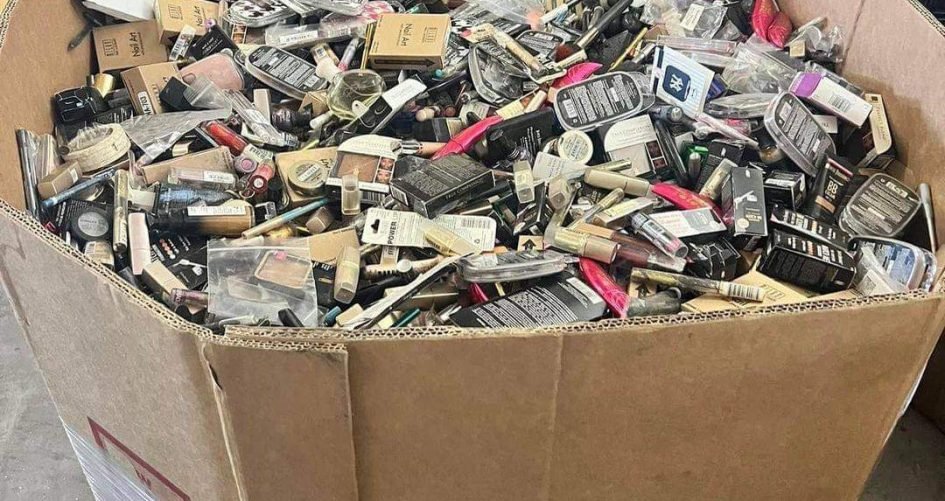
Makeup liquidation pallets are one of the most profitable and fast-moving categories in the wholesale resale industry. From luxury foundations to trending lip kits, beauty products are always in demand. For beginners entering the bulk liquidation business, cosmetics offer high margins, repeat customers, and strong online sales potential.
This guide explains everything you need to know about buying makeup liquidation pallets, understanding product conditions, pricing correctly, and maximizing resale profits.
Makeup liquidation refers to bulk lots of cosmetic products sold at discounted prices. These products usually come from:
Overstock inventory
Customer returns
Shelf pulls
Packaging changes
Seasonal clearance
Major retailers and beauty brands liquidate excess stock to free up warehouse space and recover part of their investment. Instead of destroying products, they sell them in bulk to liquidation companies, which then offer them to resellers at deeply reduced prices.
This creates an opportunity for small business owners to purchase large quantities of makeup at a fraction of retail cost.
Many large retailers and brands liquidate their beauty inventory. Some common sources include:
Sephora
Ulta Beauty
Target
Walmart
CVS Health
Products may include well-known beauty brands, drugstore cosmetics, indie brands, or even high-end designer makeup lines.
When buying from a reputable bulk liquidation pallets supplier, you can often receive manifests listing the included items, quantities, and estimated retail values.
Makeup pallets typically contain a wide variety of products, such as:
Foundations and concealers
Eyeshadow palettes
Mascara and eyeliner
Lipsticks and lip glosses
Blush and bronzer
Setting sprays
Makeup brushes and tools
Skincare add-ons (serums, primers, moisturizers)
Some pallets are mixed cosmetic lots, while others focus on specific categories like lipstick pallets, eyeshadow-only pallets, or brand-specific liquidation.
Before purchasing, it’s essential to understand the condition grading system. Makeup liquidation usually falls into these categories:
These products were never sold to customers. They may be from discontinued collections or seasonal releases. This condition offers the highest resale value.
Items removed from retail shelves. Packaging may have minor wear, but products are generally unused.
These pallets contain returned items. Some may be opened or lightly used. Hygiene is extremely important when reselling cosmetics, so inspect carefully.
Damaged, expired, or heavily used products. This category is risky and usually best for experienced buyers only.
For beginners, overstock and shelf pulls are the safest options.
Prices vary based on brand, condition, and total retail value. On average:
Small cosmetic lots: $300 – $800
Mid-size pallets: $800 – $2,500
High-end brand pallets: $2,500 – $10,000+
Most liquidation pallets sell for 10% to 40% of retail value. For example, a pallet with a $10,000 estimated retail value might sell for $2,000–$3,000.
Your potential profit depends on resale strategy, product demand, and marketplace fees.
Makeup performs well in the resale market for several reasons:
Cosmetics are lightweight, making them inexpensive to ship compared to electronics or furniture.
Beauty products often have large retail margins, which creates room for resellers to earn strong profits.
Makeup trends change frequently, but the demand never disappears. Everyday essentials like mascara and foundation always sell.
Platforms such as eBay, Facebook Marketplace, and Instagram are ideal for selling individual makeup items.
When your pallet arrives:
Compare items to the manifest (if provided).
Check expiration dates.
Inspect packaging for tampering.
Separate sealed from opened items.
Sanitize outer packaging if necessary.
Never resell opened or used cosmetic products unless clearly disclosed and legally permitted.
List high-demand items individually for maximum profit margins.
Create themed bundles (lip kit sets, skincare starter packs, holiday bundles).
Sell to local stores at wholesale rates for quicker turnover.
Use Instagram and TikTok to showcase products through short videos and demonstrations.
Cosmetics typically include a “PAO” (Period After Opening) symbol instead of a fixed expiration date. However:
Mascara: 3–6 months after opening
Liquid foundation: 6–12 months
Powder products: 1–2 years
When buying liquidation pallets, prioritize items with longer shelf life.
A manifest helps you estimate potential profits.
Cosmetics are personal-use products. Safety and cleanliness matter.
Research brand value before purchasing.
Some platforms restrict the resale of used cosmetics.
Luxury cosmetic pallets often contain premium brands with higher resale value. However:
Initial investment is larger
Competition may be stronger
Buyers expect pristine packaging
If you are just starting, consider mixed-brand overstock pallets before investing heavily in luxury-only lots.
Store makeup in a cool, dry place
Avoid extreme heat or sunlight
Keep inventory organized by category
Use airtight bins for protection
Proper storage protects product integrity and ensures customer satisfaction.
To estimate profit:
Review total retail value.
Multiply by realistic resale rate (30%–70% of retail).
Subtract pallet cost.
Subtract shipping and platform fees.
Example:
Retail value: $8,000
Purchase price: $2,000
Resale at 50% of retail: $4,000
Estimated gross profit: $2,000 (before fees)
With smart pricing and bundling, profit margins can increase significantly.
Yes, especially when starting with smaller pallets. Makeup offers:
Lower startup cost compared to electronics
High turnover potential
Strong online demand
Flexible resale options
However, beginners must understand hygiene standards and inspect inventory carefully.
Makeup liquidation is a profitable opportunity for resellers looking to enter the wholesale pallet industry. With the right supplier, clear manifests, and smart resale strategy, you can turn discounted cosmetics into a consistent income stream.
Whether you focus on overstock beauty products, shelf pulls, or mixed cosmetic lots, the key to success is research, inspection, and strategic selling.
By starting small, understanding product conditions, and targeting in-demand brands, beginners can build a sustainable resale business in the growing beauty liquidation market.
We provide high quality bulk pallets at discounted prices