
Welcome to Bulk Liquidation Pallets, One Stop Shop For All Your Needs!

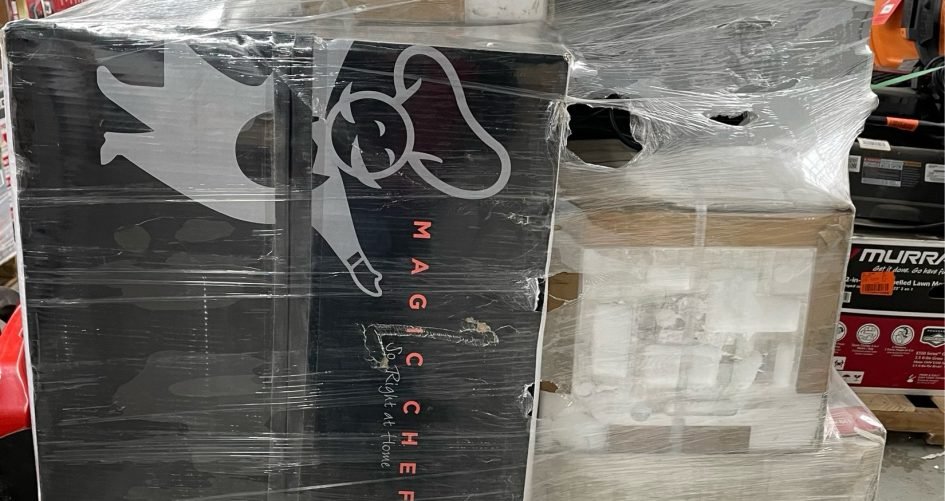
Home Depot Liquidation: A Beginner-Friendly Guide to Wholesale Pallets, Returns & Pallet Liquidation
If you’re new to the world of liquidation, wholesale pallets, and bulk pallet deals, Home Depot liquidation can be a goldmine but only if you understand how it works, where it comes from, and how to source inventory the right way. In this guide, we’ll break down everything you need to know, from the basics of Home Depot’s liquidation program to tips for buying and reselling pallets profitably.
Home Depot liquidation refers to the resale of returned, overstocked, or clearance merchandise from The Home Depot one of the largest home improvement retailers in the world.
When customers return products, when seasonal or discontinued stock needs to be cleared out, or when the store simply has too much inventory, Home Depot sells these items in bulk to liquidators. These liquidators then sort the merchandise and sell it in wholesale pallet lots to resellers, small business owners, and bargain buyers.
Liquidation inventory is typically sold much cheaper than retail value, making it attractive for those trying to start or scale a resale business.
To fully grasp how the process works, it helps to understand the key sources of liquidation inventory:
Items returned by customers for any reason — defect, wrong size, changed mind.
These returns are often resellable but may have damaged packaging.
Products that didn’t sell fast enough or were replaced with newer versions.
Items like holiday décor, gardening tools, and patio equipment that only sell at certain times of the year.
Products with damaged packaging or that have been opened but not necessarily used.
Unlike selling directly to consumers, Home Depot uses third-party platforms and liquidation partners to distribute its excess inventory. Some of the most popular avenues include:
DirectLiquidation
Liquidation.com
B-Stock
Bulq
Quicklotz
These platforms buy merchandise in bulk from Home Depot and then offer pallets of inventory for resale.
Liquidation platforms break inventory into pallets based on category or condition. For example:
Customer Returns Pallets
Overstock Pallets
Clearance Pallets
Damaged Merchandise Pallets
Each pallet is typically sold by lot number, and buyers bid or purchase directly.
Some Home Depot locations may have clearance sections where customers and resellers can buy discounted items though this isn’t the same as formal liquidation pallets.
Here’s why thousands of resellers and entrepreneurs source Home Depot liquidation inventory:
Liquidation inventory is priced far below retail value — often 30% to 80% off.
Home improvement, tools, hardware, appliances, and outdoor products are always in demand.
Buying in bulk lets resellers scale their businesses more quickly than sourcing individual products.
Pallet contents can be resold on:
eBay
Amazon (FBA or FBM)
Facebook Marketplace
Craigslist
Local flea markets
Bulk pallet resell
Before buying a pallet, you must understand the condition categories used in liquidation listings:
Brand new or like-new products — unopened, unscratched, perfect for resale.
Items opened but still functional. May not include original packaging.
Products returned by customers. Some may have minor defects or missing parts.
The lowest condition level. Products may be broken or unsellable — best for parts or refurbish projects.
If you’re new to liquidation pallets, here’s how to make smarter buying decisions and avoid common mistakes:
Most online platforms list a manifest — a document outlining the SKUs included in the pallet. Review it carefully:
✔ Look up retail pricing
✔ Check sell-through history on eBay or Amazon
✔ Estimate potential profit margin
A pallet may look cheap, but without analyzing the contents, you can end up with losses.
Liquidation pallets are heavy, and freight costs can add up fast:
Pallets often ship via freight carriers
White-glove delivery may be extra
You may need a forklift or pallet jack
Always include shipping fees in your cost analysis.
Not all items are suitable for all platforms:
Tools and home improvement gear do well on eBay and Amazon
Seasonal décor may sell better locally
Heavier items might not be profitable on marketplace platforms due to shipping
Choose your sales channels wisely.
If you’re new, start with a smaller pallet or a sample lot to get a feel for liquidation inventory, condition grading, and reselling demands.
A good rule of thumb:
Estimated Resell Value – (Pallet Cost + Shipping + Fees) = Profit
Track your margins carefully to ensure long-term success.
Below are the most common online platforms where Home Depot liquidation pallets are listed:
Specializes in big retailer returns and overstock, including Home Depot.
Offers auctions for multiple categories, including hardware and home products.
Business liquidation marketplace with exclusive retailer inventory.
Fixed-price liquidation pallets with manifests and grades.
Specializes in bulk lots of return pallets at wholesale prices.
Focuses on bulk lots of liquidation pallets at best prices
Every business model has strengths and challenges. Here’s a quick breakdown:
| Advantage | Explanation |
|---|---|
| Low Costs | Inventory priced wholesale, far below retail. |
| High Demand | Products are usually in categories people buy. |
| Scalability | Buy larger lots to grow quickly. |
| Variety | Access to many product categories. |
| Challenge | Explanation |
|---|---|
| Risk of Unsellables | Some pallets may contain broken items. |
| Shipping Costs | Freight can eat into profits. |
| Requires Research | You must evaluate manifests, resell value. |
| Storage Needed | Bulk pallets require space. |
A manifest is the key to understanding whether a pallet is worth buying.
Here’s how to evaluate it:
Are the products:
Popular?
High-value items?
Easily resellable?
High ticket items like power tools often have better resale margins.
Use platforms like:
eBay
Amazon
Facebook Marketplace
Search completed listings to see average selling prices.
Fast moving items sell quickly and improve cash flow. Slow sellers may tie up your money.
An open-box product might still sell well, but damaged items may not.
Once you’ve purchased pallets and received them, your next challenge is resale. Here are the top strategies:
Best for:
Tools
Outdoor gear
Seasonal equipment
Tips:
Use high-quality photos
Write clear descriptions
Offer competitive pricing
Great for:
Brand new or like-new items
Fast moving inventory
Keep in mind:
Amazon fees
FBA storage costs
Platforms like Facebook Marketplace and Craigslist are perfect for:
Large items
Heavy products
Items with expensive shipping
If you have many of the same product, consider selling in bundles.
Sell through your own website or Shopify store to control pricing and branding.
Here are mistakes new liquidation buyers often make:
Guessing what’s in a pallet can lead to losses.
Overspending on freight can erase profit margins.
Selling the right items on the wrong platform kills profits.
Liquidation reselling takes time for sorting, listing, shipping.
If you plan to resell liquidation inventory as a business:
Ensure compliance with local business laws in Canada or the US.
Understand how sales tax or GST/HST applies to your business.
Track purchases, sales, and costs for tax reporting.
Here’s how to grow from buying one pallet at a time to building a thriving resale business:
Use software to sync inventory across multiple platforms.
Warehouse or rented storage can improve organization.
Work with liquidation wholesalers consistently to access better deals.
Don’t rely on one category — spread risk across multiple niches.
Home Depot liquidation offers an accessible entry point into the world of wholesale pallet buying and reselling. With the right research, smart purchasing, and effective resale channels, you can turn liquidation pallets into a profitable business.
Whether you’re just getting started or looking to expand, understanding the fundamentals of liquidation inventory — from manifests and condition grading to shipping and reselling — is the foundation of long-term success.
Start small, learn from each pallet purchase, and build a strategy that aligns with your goals. With patience and planning, Home Depot liquidation can be a powerful part of your wholesale and pallet resale business journey.
If you want more in-depth breakdowns of specific liquidation platforms, resale strategy templates, or “best categories to resell for profit,” just ask!

We provide high quality bulk pallets at discounted prices